30-9-2025
What War Has to Do with Circular IT
Circular IT is not just about sustainability, it is also about security and strategic autonomy.

SAVE DCS

Russian drones over Poland made one thing clear: whoever depends on scarce resources is vulnerable. This applies not only to defense, but also to our digital infrastructure. Servers and data centers rely on the same critical materials and are often replaced too early, ending up on the waste pile.
What Klaske Kruk Clearly Pointed Out
Last week, Russian drones were shot down over Poland. In a sharp analysis, Klaske Kruk highlighted that this was not just a military incident but a signal. Security does not begin at the border but with how we manage our resources. The fewer new materials we need, the less vulnerable we are to geopolitical pressure. Smarter reuse means more strategic autonomy.
This does not only apply to tanks and batteries but also to our digital infrastructure. Servers, storage, and network equipment form the backbone of every organization. Yet they are often replaced too early, leading to three major consequences: a growing mountain of e-waste, unnecessary CO₂ emissions, and dependency on fragile supply chains.
E-waste: the Fastest-Growing Waste Stream
When sustainability in IT is discussed, the focus is usually on energy consumption and CO₂. But the real waste stream is growing elsewhere: in discarded hardware. Worldwide, e-waste is the fastest-growing waste category.
A container full of servers sent to the scrap heap contains tons of steel and aluminum, hundreds of kilos of copper, and significant amounts of cobalt, gold, and palladium. Materials that are hardly recovered and often mined under harsh conditions. Every time you extend the lifespan of hardware, you directly reduce waste and relieve pressure on scarce resources.
The key point: this is not a distant issue. It is a lever organizations can pull today. You can decide tomorrow not to replace a batch of servers or storage, but to keep them running longer.
The CO₂ Side: the Hidden Half
With servers and storage, more than half of total CO₂ emissions often occur before the equipment has even been switched on. These are the embedded emissions from production and transport. Every replacement cycle brings that hidden burden back to the surface.
By keeping hardware in use longer, you delay these emissions and reduce how often they occur. This makes circular IT not only an environmental issue but also a strategic choice: less e-waste, less demand for critical resources, and more control over costs and supply security. It is a lever that organizations rarely use—yet it delivers immediate, measurable benefits.
Why This Is Strategic, Not Just Sustainable
Working circularly with IT hardware addresses more than a sustainability challenge. It is about control over your own resources.
Less e-waste: each year of extended lifespan prevents valuable materials from becoming premature waste.
Less dependency: less reliance on scarce resources from geopolitically sensitive regions.
Lower costs: deferred investments and less implementation pressure.
Stronger reporting: circularity makes sustainability reporting more convincing and complete.
These are benefits felt directly in the boardroom: less risk, lower costs, and a story that resonates with stakeholders.
More Than Avoiding Waste
Every replacement of IT systems sends valuable materials into the waste stream and back into the supply chain. By extending hardware lifespans, you prevent unnecessary e-waste, reduce pressure on scarce resources, and postpone major investments.
What does that mean in practice?
No unnecessary flow of discarded hardware heading for the scrap heap.
No new orders placed with already strained supply chains.
No millions in capex written off too early.
This is not a theoretical scenario. More and more organizations are choosing to extend their IT hardware lifecycles. The result: immediate benefits in cost savings, sustainability, and strategic resilience.
From Reporting to Strategy
Many organizations see reporting as a compliance exercise. Meeting CSRD or other sustainability frameworks is important, but not enough.
The organizations that embrace circular IT use it as a strategic advantage:
They are less vulnerable to geopolitical shocks.
They free up budget for innovation instead of replacement.
They show stakeholders they are forward-thinking and in control.
As Klaske Kruk put it: fewer new materials = more security. For IT, that translates into less waste, less dependency, and greater resilience.
How We Prepare You in Four Steps
1. Inventory & Roadmap
We map your entire IT landscape: hardware, environmental impact, and residual value. We then connect this to a multi-year roadmap, giving you clarity on what can be replaced, extended, or reused in the years ahead.
2. Secure Extension
Servers, storage, and switches often last much longer—even beyond official end-of-life. We show you how this can be done safely, ensuring your hardware continues to run reliably for years.
3. Insight & Reporting
We translate technical analysis into clear reports that support CSRD and broader sustainability disclosures. This enables you to convince stakeholders with concrete data on savings, e-waste reduction, and circular choices.
4. Complete Support
We can organize the entire process from analysis to extension, reuse, and recycling, always aligned with your decisions. You set the direction, we make sure the plan is executed and your IT is made as circular and future-proof as possible.
From Signal to Strategy
Klaske Kruk highlighted the real issue: our dependence on resources. IT is an underestimated part of that story. The question is not whether we should work circularly, but how quickly we can act.
By putting circular IT at the center, you prevent waste, reduce risks, and build autonomy. Not as a box to tick in a report, but as a deliberate strategic choice.
Want to Apply This?
Let’s review your IT environment and goals together. Visit our contact page and schedule a conversation.
30-9-2025
What War Has to Do with Circular IT
Circular IT is not just about sustainability, it is also about security and strategic autonomy.
SAVE DCS
Russian drones over Poland made one thing clear: whoever depends on scarce resources is vulnerable. This applies not only to defense, but also to our digital infrastructure. Servers and data centers rely on the same critical materials and are often replaced too early, ending up on the waste pile.
What Klaske Kruk Clearly Pointed Out
Last week, Russian drones were shot down over Poland. In a sharp analysis, Klaske Kruk highlighted that this was not just a military incident but a signal. Security does not begin at the border but with how we manage our resources. The fewer new materials we need, the less vulnerable we are to geopolitical pressure. Smarter reuse means more strategic autonomy.
This does not only apply to tanks and batteries but also to our digital infrastructure. Servers, storage, and network equipment form the backbone of every organization. Yet they are often replaced too early, leading to three major consequences: a growing mountain of e-waste, unnecessary CO₂ emissions, and dependency on fragile supply chains.
E-waste: the Fastest-Growing Waste Stream
When sustainability in IT is discussed, the focus is usually on energy consumption and CO₂. But the real waste stream is growing elsewhere: in discarded hardware. Worldwide, e-waste is the fastest-growing waste category.
A container full of servers sent to the scrap heap contains tons of steel and aluminum, hundreds of kilos of copper, and significant amounts of cobalt, gold, and palladium. Materials that are hardly recovered and often mined under harsh conditions. Every time you extend the lifespan of hardware, you directly reduce waste and relieve pressure on scarce resources.
The key point: this is not a distant issue. It is a lever organizations can pull today. You can decide tomorrow not to replace a batch of servers or storage, but to keep them running longer.
The CO₂ Side: the Hidden Half
With servers and storage, more than half of total CO₂ emissions often occur before the equipment has even been switched on. These are the embedded emissions from production and transport. Every replacement cycle brings that hidden burden back to the surface.
By keeping hardware in use longer, you delay these emissions and reduce how often they occur. This makes circular IT not only an environmental issue but also a strategic choice: less e-waste, less demand for critical resources, and more control over costs and supply security. It is a lever that organizations rarely use—yet it delivers immediate, measurable benefits.
Why This Is Strategic, Not Just Sustainable
Working circularly with IT hardware addresses more than a sustainability challenge. It is about control over your own resources.
Less e-waste: each year of extended lifespan prevents valuable materials from becoming premature waste.
Less dependency: less reliance on scarce resources from geopolitically sensitive regions.
Lower costs: deferred investments and less implementation pressure.
Stronger reporting: circularity makes sustainability reporting more convincing and complete.
These are benefits felt directly in the boardroom: less risk, lower costs, and a story that resonates with stakeholders.
More Than Avoiding Waste
Every replacement of IT systems sends valuable materials into the waste stream and back into the supply chain. By extending hardware lifespans, you prevent unnecessary e-waste, reduce pressure on scarce resources, and postpone major investments.
What does that mean in practice?
No unnecessary flow of discarded hardware heading for the scrap heap.
No new orders placed with already strained supply chains.
No millions in capex written off too early.
This is not a theoretical scenario. More and more organizations are choosing to extend their IT hardware lifecycles. The result: immediate benefits in cost savings, sustainability, and strategic resilience.
From Reporting to Strategy
Many organizations see reporting as a compliance exercise. Meeting CSRD or other sustainability frameworks is important, but not enough.
The organizations that embrace circular IT use it as a strategic advantage:
They are less vulnerable to geopolitical shocks.
They free up budget for innovation instead of replacement.
They show stakeholders they are forward-thinking and in control.
As Klaske Kruk put it: fewer new materials = more security. For IT, that translates into less waste, less dependency, and greater resilience.
How We Prepare You in Four Steps
1. Inventory & Roadmap
We map your entire IT landscape: hardware, environmental impact, and residual value. We then connect this to a multi-year roadmap, giving you clarity on what can be replaced, extended, or reused in the years ahead.
2. Secure Extension
Servers, storage, and switches often last much longer—even beyond official end-of-life. We show you how this can be done safely, ensuring your hardware continues to run reliably for years.
3. Insight & Reporting
We translate technical analysis into clear reports that support CSRD and broader sustainability disclosures. This enables you to convince stakeholders with concrete data on savings, e-waste reduction, and circular choices.
4. Complete Support
We can organize the entire process from analysis to extension, reuse, and recycling, always aligned with your decisions. You set the direction, we make sure the plan is executed and your IT is made as circular and future-proof as possible.
From Signal to Strategy
Klaske Kruk highlighted the real issue: our dependence on resources. IT is an underestimated part of that story. The question is not whether we should work circularly, but how quickly we can act.
By putting circular IT at the center, you prevent waste, reduce risks, and build autonomy. Not as a box to tick in a report, but as a deliberate strategic choice.
Want to Apply This?
Let’s review your IT environment and goals together. Visit our contact page and schedule a conversation.
30-9-2025
What War Has to Do with Circular IT
Circular IT is not just about sustainability, it is also about security and strategic autonomy.
SAVE DCS
Russian drones over Poland made one thing clear: whoever depends on scarce resources is vulnerable. This applies not only to defense, but also to our digital infrastructure. Servers and data centers rely on the same critical materials and are often replaced too early, ending up on the waste pile.
What Klaske Kruk Clearly Pointed Out
Last week, Russian drones were shot down over Poland. In a sharp analysis, Klaske Kruk highlighted that this was not just a military incident but a signal. Security does not begin at the border but with how we manage our resources. The fewer new materials we need, the less vulnerable we are to geopolitical pressure. Smarter reuse means more strategic autonomy.
This does not only apply to tanks and batteries but also to our digital infrastructure. Servers, storage, and network equipment form the backbone of every organization. Yet they are often replaced too early, leading to three major consequences: a growing mountain of e-waste, unnecessary CO₂ emissions, and dependency on fragile supply chains.
E-waste: the Fastest-Growing Waste Stream
When sustainability in IT is discussed, the focus is usually on energy consumption and CO₂. But the real waste stream is growing elsewhere: in discarded hardware. Worldwide, e-waste is the fastest-growing waste category.
A container full of servers sent to the scrap heap contains tons of steel and aluminum, hundreds of kilos of copper, and significant amounts of cobalt, gold, and palladium. Materials that are hardly recovered and often mined under harsh conditions. Every time you extend the lifespan of hardware, you directly reduce waste and relieve pressure on scarce resources.
The key point: this is not a distant issue. It is a lever organizations can pull today. You can decide tomorrow not to replace a batch of servers or storage, but to keep them running longer.
The CO₂ Side: the Hidden Half
With servers and storage, more than half of total CO₂ emissions often occur before the equipment has even been switched on. These are the embedded emissions from production and transport. Every replacement cycle brings that hidden burden back to the surface.
By keeping hardware in use longer, you delay these emissions and reduce how often they occur. This makes circular IT not only an environmental issue but also a strategic choice: less e-waste, less demand for critical resources, and more control over costs and supply security. It is a lever that organizations rarely use—yet it delivers immediate, measurable benefits.
Why This Is Strategic, Not Just Sustainable
Working circularly with IT hardware addresses more than a sustainability challenge. It is about control over your own resources.
Less e-waste: each year of extended lifespan prevents valuable materials from becoming premature waste.
Less dependency: less reliance on scarce resources from geopolitically sensitive regions.
Lower costs: deferred investments and less implementation pressure.
Stronger reporting: circularity makes sustainability reporting more convincing and complete.
These are benefits felt directly in the boardroom: less risk, lower costs, and a story that resonates with stakeholders.
More Than Avoiding Waste
Every replacement of IT systems sends valuable materials into the waste stream and back into the supply chain. By extending hardware lifespans, you prevent unnecessary e-waste, reduce pressure on scarce resources, and postpone major investments.
What does that mean in practice?
No unnecessary flow of discarded hardware heading for the scrap heap.
No new orders placed with already strained supply chains.
No millions in capex written off too early.
This is not a theoretical scenario. More and more organizations are choosing to extend their IT hardware lifecycles. The result: immediate benefits in cost savings, sustainability, and strategic resilience.
From Reporting to Strategy
Many organizations see reporting as a compliance exercise. Meeting CSRD or other sustainability frameworks is important, but not enough.
The organizations that embrace circular IT use it as a strategic advantage:
They are less vulnerable to geopolitical shocks.
They free up budget for innovation instead of replacement.
They show stakeholders they are forward-thinking and in control.
As Klaske Kruk put it: fewer new materials = more security. For IT, that translates into less waste, less dependency, and greater resilience.
How We Prepare You in Four Steps
1. Inventory & Roadmap
We map your entire IT landscape: hardware, environmental impact, and residual value. We then connect this to a multi-year roadmap, giving you clarity on what can be replaced, extended, or reused in the years ahead.
2. Secure Extension
Servers, storage, and switches often last much longer—even beyond official end-of-life. We show you how this can be done safely, ensuring your hardware continues to run reliably for years.
3. Insight & Reporting
We translate technical analysis into clear reports that support CSRD and broader sustainability disclosures. This enables you to convince stakeholders with concrete data on savings, e-waste reduction, and circular choices.
4. Complete Support
We can organize the entire process from analysis to extension, reuse, and recycling, always aligned with your decisions. You set the direction, we make sure the plan is executed and your IT is made as circular and future-proof as possible.
From Signal to Strategy
Klaske Kruk highlighted the real issue: our dependence on resources. IT is an underestimated part of that story. The question is not whether we should work circularly, but how quickly we can act.
By putting circular IT at the center, you prevent waste, reduce risks, and build autonomy. Not as a box to tick in a report, but as a deliberate strategic choice.
Want to Apply This?
Let’s review your IT environment and goals together. Visit our contact page and schedule a conversation.
Alle blogs

Complete gids ITAD 2026 – risico, waarde en duurzaamheid
Complete gids over ITAD in 2026. Definitie, stappenplan, compliance, value recovery, duurzaamheid en partnerkeuze binnen ITAD.
SAVE DCS

Complete gids IT lifecycle management voor IT-managers
Complete gids over IT lifecycle management. Ontdek fases, risico’s en trends en de rol van een Circular IT lifecycle Partner.
SAVE DCS

Wat IT-managers fout doen bij hardwarevervanging
Ontdek wat IT-managers fout doen bij hardwarevervanging en hoe een Circulat IT Lifeycle Partner helpt slimme keuzes te maken.
SAVE DCS
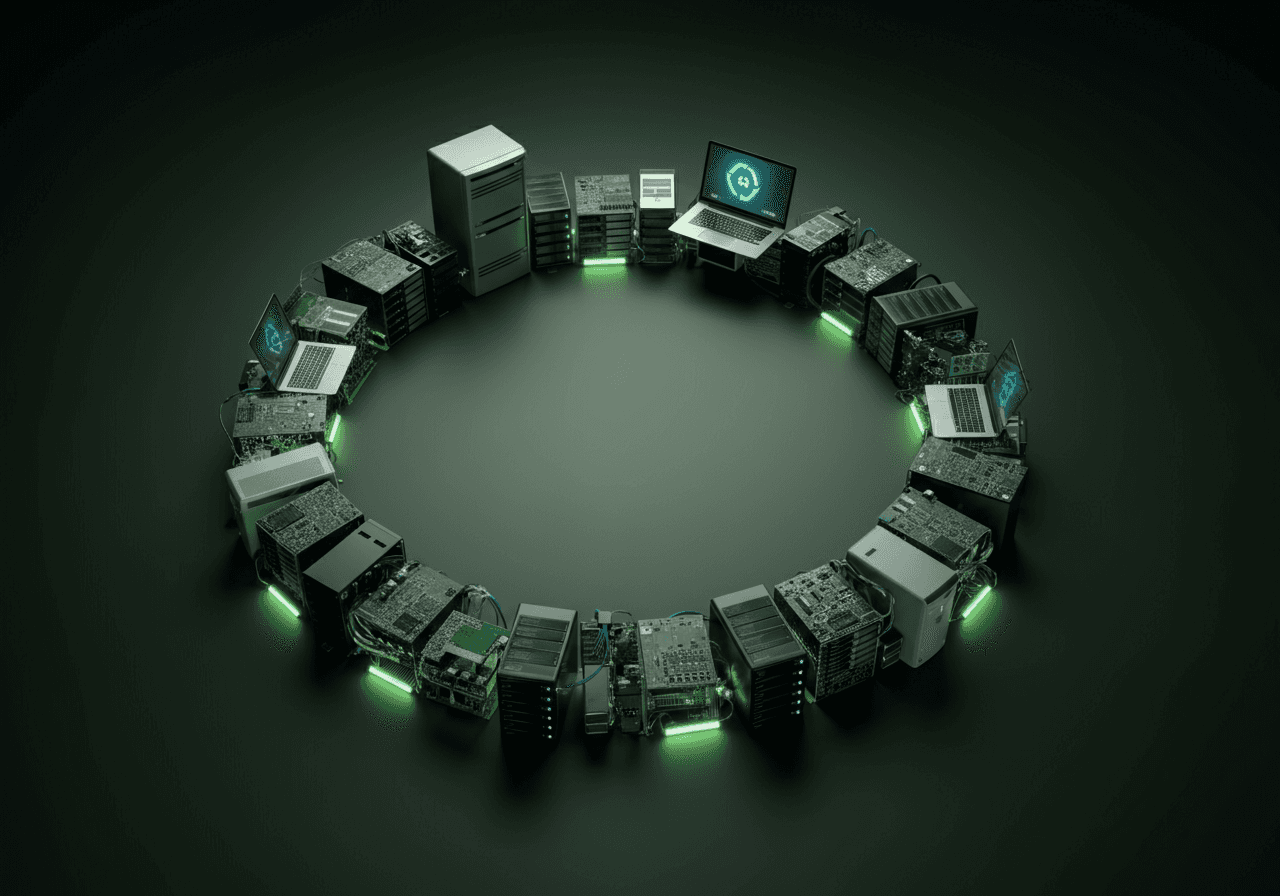
Waarom bedrijven kiezen voor een circulaire IT lifecycle aanpak
Ontdek waarom organisaties overstappen op een circulaire IT lifecycle aanpak en hoe een Circular IT Lifecycle Partner dit eenvoudig maakt.
SAVE DCS
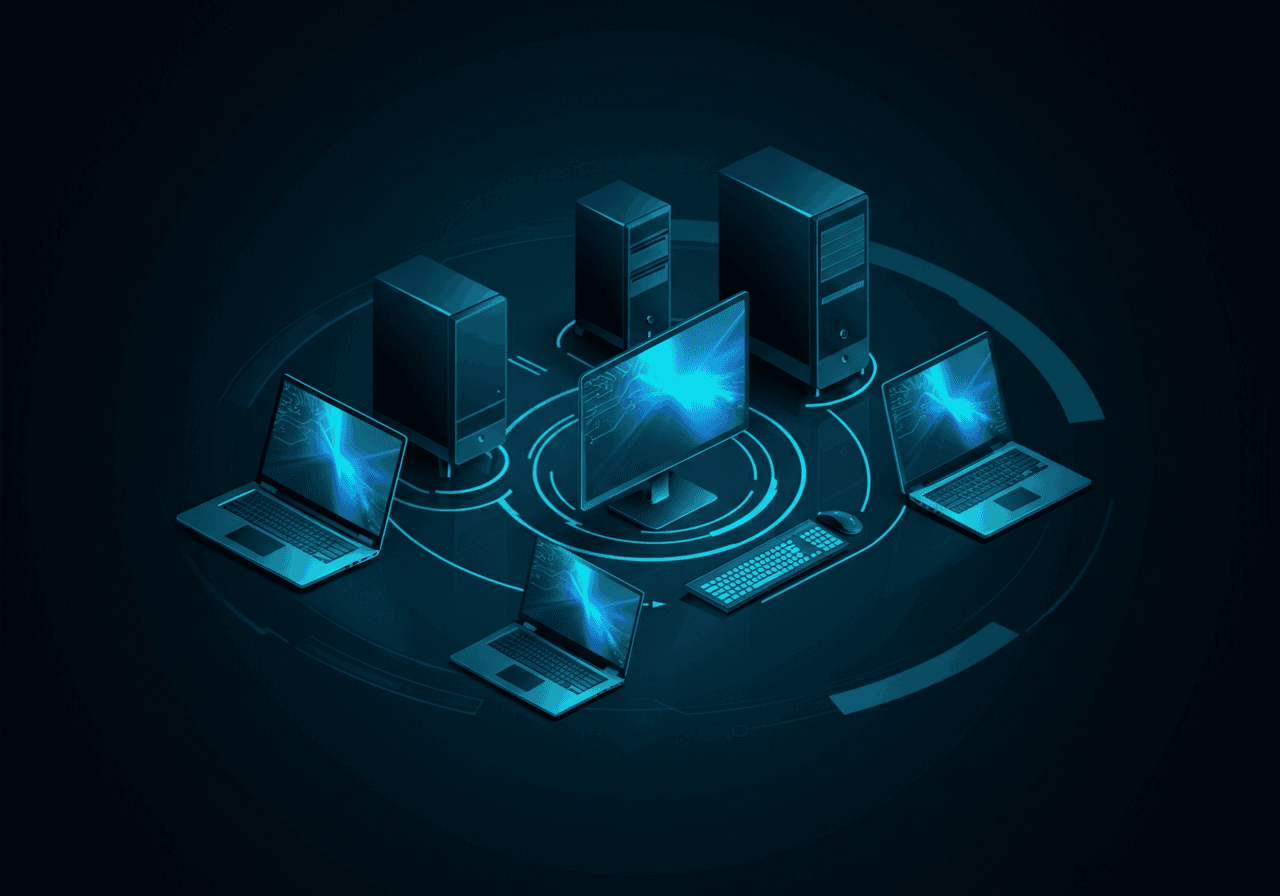
ICT werkplekbeheer: kostenbesparend en duurzamer met refurbished werkplekken
Ontdek hoe je werkplekken slim kunt beheren.
SAVE DCS

De 5 fases van IT lifecycle management: servers, storage, netwerk en werkplekken
Hoe je IT kostenbesparend en duurzaam kan beheren.
SAVE DCS

Hoe bereken je de CO₂-uitstoot van je hardware?
Je denkt het snel te berekenen, tot je ziet hoeveel er écht bij komt kijken.
SAVE DCS

Circular Hardware Lifecycle Management: waarom 2025 het kantelpunt is voor IT-infrastructuur
Het kantelpunt voor IT is hier: blijf je verspillen of kies je voor aantoonbare circulariteit?
SAVE DCS
Wat oorlog met circulaire IT te maken heeft
Circulaire IT gaat niet alleen over duurzaamheid, maar ook over veiligheid en strategische autonomie.
SAVE DCS

CSRD en IT: Vandaag compliant blijven en morgen future-proof zijn
CSRD IT Compliance: Van energierapportage naar circulaire IT | SAVE DCS
SAVE DCS
Alle blogs
Complete gids ITAD 2026 – risico, waarde en duurzaamheid
Complete gids over ITAD in 2026. Definitie, stappenplan, compliance, value recovery, duurzaamheid en partnerkeuze binnen ITAD.
SAVE DCS
Complete gids IT lifecycle management voor IT-managers
Complete gids over IT lifecycle management. Ontdek fases, risico’s en trends en de rol van een Circular IT lifecycle Partner.
SAVE DCS
Wat IT-managers fout doen bij hardwarevervanging
Ontdek wat IT-managers fout doen bij hardwarevervanging en hoe een Circulat IT Lifeycle Partner helpt slimme keuzes te maken.
SAVE DCS
Waarom bedrijven kiezen voor een circulaire IT lifecycle aanpak
Ontdek waarom organisaties overstappen op een circulaire IT lifecycle aanpak en hoe een Circular IT Lifecycle Partner dit eenvoudig maakt.
SAVE DCS
ICT werkplekbeheer: kostenbesparend en duurzamer met refurbished werkplekken
Ontdek hoe je werkplekken slim kunt beheren.
SAVE DCS
De 5 fases van IT lifecycle management: servers, storage, netwerk en werkplekken
Hoe je IT kostenbesparend en duurzaam kan beheren.
SAVE DCS
Hoe bereken je de CO₂-uitstoot van je hardware?
Je denkt het snel te berekenen, tot je ziet hoeveel er écht bij komt kijken.
SAVE DCS
Circular Hardware Lifecycle Management: waarom 2025 het kantelpunt is voor IT-infrastructuur
Het kantelpunt voor IT is hier: blijf je verspillen of kies je voor aantoonbare circulariteit?
SAVE DCS
Wat oorlog met circulaire IT te maken heeft
Circulaire IT gaat niet alleen over duurzaamheid, maar ook over veiligheid en strategische autonomie.
SAVE DCS
CSRD en IT: Vandaag compliant blijven en morgen future-proof zijn
CSRD IT Compliance: Van energierapportage naar circulaire IT | SAVE DCS
SAVE DCS
Alle blogs
Complete gids ITAD 2026 – risico, waarde en duurzaamheid
Complete gids over ITAD in 2026. Definitie, stappenplan, compliance, value recovery, duurzaamheid en partnerkeuze binnen ITAD.
SAVE DCS
Complete gids IT lifecycle management voor IT-managers
Complete gids over IT lifecycle management. Ontdek fases, risico’s en trends en de rol van een Circular IT lifecycle Partner.
SAVE DCS
Wat IT-managers fout doen bij hardwarevervanging
Ontdek wat IT-managers fout doen bij hardwarevervanging en hoe een Circulat IT Lifeycle Partner helpt slimme keuzes te maken.
SAVE DCS
Waarom bedrijven kiezen voor een circulaire IT lifecycle aanpak
Ontdek waarom organisaties overstappen op een circulaire IT lifecycle aanpak en hoe een Circular IT Lifecycle Partner dit eenvoudig maakt.
SAVE DCS
ICT werkplekbeheer: kostenbesparend en duurzamer met refurbished werkplekken
Ontdek hoe je werkplekken slim kunt beheren.
SAVE DCS
De 5 fases van IT lifecycle management: servers, storage, netwerk en werkplekken
Hoe je IT kostenbesparend en duurzaam kan beheren.
SAVE DCS
Hoe bereken je de CO₂-uitstoot van je hardware?
Je denkt het snel te berekenen, tot je ziet hoeveel er écht bij komt kijken.
SAVE DCS
Circular Hardware Lifecycle Management: waarom 2025 het kantelpunt is voor IT-infrastructuur
Het kantelpunt voor IT is hier: blijf je verspillen of kies je voor aantoonbare circulariteit?
SAVE DCS
Wat oorlog met circulaire IT te maken heeft
Circulaire IT gaat niet alleen over duurzaamheid, maar ook over veiligheid en strategische autonomie.
SAVE DCS
CSRD en IT: Vandaag compliant blijven en morgen future-proof zijn
CSRD IT Compliance: Van energierapportage naar circulaire IT | SAVE DCS
SAVE DCS